
Your RV serves as a home close to nature, transporting you on an RV trip near and far from home. Opening your RV door for the first time in the spring is a pleasant experience, at least until you notice gnaw marks & mouse droppings on the inside of the RV. Mice may be small, but they can wreak havoc on the interior of a recreational vehicle. Taking the necessary precautions to keep mice out of your RV will allow you to go out onto the open road with your next camping trip much more quickly.
When camping, an RV is a comfortable and convenient location to hang out on and unwind. However, the last thing you would like for your RV to become a warm and inviting home for mice! Not only is it unpleasant to have mice in your Camper, but they also do have the ability to cause significant damage to your vehicle.

As the weather cools, mice are more likely to attempt to gain entry inside your recreational vehicle. Their natural food sources are beginning to dwindle, which provides them with a compelling motive to broaden their hunt for other sources of nutrition. The cold also encourages them to seek out a warm, dry location where they can build a nest and wait out the winter months. Exactly as you appreciate being dry and warm in your RV, mice enjoy doing so as well!
If you haven’t had a problem with mice count yourself fortunate, to learn how to keep mice out of RV or camper. In this manner, you can avoid being forced to share a room with someone you don’t want.
Mice are small, intelligent critters who are also adept at scaling walls and other obstacles. This is a lethal combo, to say the least. Mice will make their way into your RV if there is an opening leading from the outside to the inside. Given the abundance of tubing, wiring, hoses, and other similar items in an RV, there are numerous entry points for mice, which they will use to go throughout the RV, searching for food.
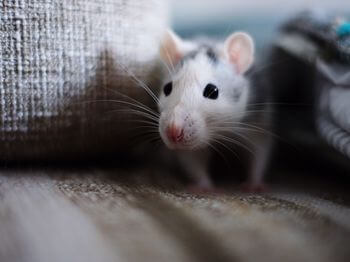
The most effective method of avoiding mice is to keep them out of the house in the first place. You can accomplish this by securing all internal and external entrance points, employing deterrents, and maintaining a clean camper. If you already have a mouse (or a family of mice) in your RV, there are various alternatives for getting rid of them.
Importance of keeping mice out of the camp

In the first place, you might ask why it is so vital to keep mice on your RV. After all, they are creatures as well, and they require a safe haven to call home. Many individuals keep mice and rats as pets, and some even breed them.
Mice, on the other hand, are not the most pleasant of houseguests when it concerns RV camping. As they consume the food on your shelves, they excrete their waste, causing a soiled mess and the possibility of spreading deadly infections to your family. It is important to remember that rats were the carriers of the bubonic plague all those years ago.
To make matters worse, mice are prolific breeders, which means they can produce a large number of offspring at a time. As a result, once you have a few, you will very certainly have more sooner rather than later. When mice congregate in one place, they can wreak havoc on the interior of your RV, by more than just leaving mouse droppings and urine all over the place, but also by potentially gnawing through wood, particleboard, as well as electrical wiring.
Briefly said, no matter what kind of an animal lover you are, having mice in your RV is something you absolutely, positively do not want to happen.
Dangers that mice bring in your RV
Innocent-looking mice can cause major harm to your RV camper.
Mice can harm your RV through the following:
Electrical Short
Mice love to chew through wire, which may cause significant issues with your RV’s electronics as well as mice getting electrocuted and dying in the walls, causing the RV to smell. Intermittent lights or major engine difficulties are examples of electrical shorts.
Chewed Paneling & Seating
Mice love to chew on and in anything around them, plus they can often go after sofa cushions and other sections of the RV that include fabric or filling to use this stuff to create their nests. These chairs are not only difficult to repair, but also costly to fix if seriously damaged by mice.
Urine & Feces
One of the nastiest aspects of having mice in your camper is their droppings and pee all over the place. Mice droppings and urine not only spread diseases like hantavirus but also damage fabrics and are filthy in eating places. Adult mice can leave 50-75 droppings per day and dribble urine as they wander about to establish their territory.
Damaged Mechanical System
Mice in the engine compartment can cause mechanical failure, causing your RV to stop running. Repairing electrical damage in this area of the RV can be time-consuming and costly.
Bad odors
A mouse infestation can cause an RV camper to smell like mouse droppings and urine, and a mouse dying in the RV wall or cabinetry can provide a foul odor that is difficult to remove.
Chew marks
Mice will nibble on almost everything in an RV, but soft items like paper and plastic-covered foam are particularly vulnerable. So, if you leave a drawer full of maps in a camper with mice, expect a shredded mess. The more holes and gnawing damage mice produce in the RV, the more difficult it is to control their mobility in and out.
How do mice get into your RV?
Mice can enter a camper in many ways. It’s worth inspecting each area independently to avoid a mouse infestation.
Here are some of the known mouse entry points into RVs:
Beneath your RV Covers
Mice have been reported to make nests beneath RV covers that are too loose. If the mice get under the cover, they can typically sneak into the RV.
Gaps and Unsealed Areas of your Camper
Keep in mind that a mouse can fit through a hole the size of a ballpoint pen. Even if you don’t assume you have any holes large enough for such a mouse, chances are you have.
The Engine Compartment of your RV
Because campers are sometimes left unattended for months, rodents may establish nests inside the engine bay and throughout the RV’s substructure. Rat gnawing can cause electrical sparks and holes torn in hoses as well as reservoirs.
Because mice are so little, they can easily enter into a camper if the seals are broken. Especially if the RV is stored for weeks or months. Mice are attracted to these intervals of idleness because there is no threat of human interference.
Ways to mouse-proof your RV
Examine all entry points
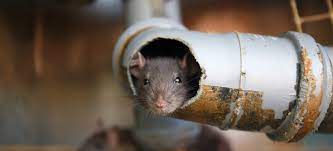
The simplest approach to protect your RV is to keep rodents away from it in the first place. Your camper will be free of mouse droppings and another rodent problem is if you perform preventative measures for them from getting in.
The interior of the RV will probably need to be sealed as well to provide further protection against mice. In some cases, you may be unable to access or seal some exterior potential entry points. Mice won’t be able to get inside your RV if you seal up any possible entry spots on the inside that they could use. Mice can squeeze through even the tiniest of openings.
Make sure to include an inspection for a mouse entry point in your regular cleaning or maintenance checklist. Inspect the floor for cracks and holes, as well as the backs of cabinets for gnawed holes.

Outside as well as inside, do this. It’s a good idea to plug any openings large enough for a mouse to squeeze through. Mice can squeeze through openings no larger than a cent. Because of this, they will be unable to get into the camper’s interior.
Mice are able to get into RVs through a variety of small openings. Determine where mice are most likely to enter your home. Here are some pointers for spotting potential mouse entry points:
- Examine the RV’s undercarriage for cracks and holes. Mice can squeeze into even the tiniest of spaces.
- Look around the RV on a sunny day to see whether there is any natural light coming in from any of the windows. Mice will find a way in if they can see daylight. Alternatively, one person can shine a flashlight about the camper while the other person stays inside to watch for any traces of light coming through the roof.
- Look for sunlight by opening drawers, cupboards, and closets.
- Look for cracks and crevices in corners and around edges.
- Pay attention to the places where the RV’s plumbing and electrical systems enter the living space. Mice can get in through any cracks or crevices around them.
- You should inspect the seals around the RV’s slide-out locations. Mice and other rodents could come in via this hole if the seal isn’t strong enough.
- Access panels in your RV bathroom or other locations should be removed so you can inspect them for possible entrance opportunities.
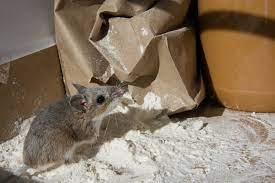
Sealing the holes and cracks you find is the next step. Spray foam that has been expanded is a simple option. As the substance dries, it expands to fill the entire area. Try out the foam if you’ve never done it before so that you don’t overuse it. If you overdo it with the expanding foam, you could end up damaging your RV.
Sealing minor cracks and crevices with silicone caulk would be another option. Depending on the area, thin planks or sheets of metal could also be used to hide some gaps and holes.
Open your RVs Hood
Open Your Motorhome Hood
During a rodent-rich area like the desert, rodents love entering the engine compartments. Rodents like warmth, dark, and like chewing the wires. Taking preventative measures to keep this vehicle from becoming too attractive for mice prevents the hatchback. Consequently, the lighting is available which means that they are less protected in their homes. Several people put lights in engine compartment. In addition to nesting in your motor, mice may also be found in your RV’s living space.
RV Covers
Perhaps there is a remedy in your list of options. It’ll happen. I am interested in blogging if possible. Please DO NOT laugh. It has appeared in RV site lists. Typically those when a writer has no knowledge of RVs and gets paid for blog postings at these sites. How does camping cover protect your campers? I want some time to rest! Tell me the real story. Generally, mice can enter from outside the vehicle’s interior. It climbs the wheels, carries on an axle, and so on. Its inside covers exactly what RV covers are not. Even if the mice do, they can just chew the cover or sniff the scent of the RV.
Proper Storage of Food items

There are a number of reasons why mice will enter your camper: warmth and shelter. It’s possible to remove one of those appealing aspects—the food.
It’s important to maintain the area tidy. You will want to prevent mice to reach food or other canned goods. If you leave food out or even scraps, have an open trash can, may otherwise make it easy for them to get to you, you’ll attract them much more quickly.
Don’t keep things in your rv while it’s being stored after a camping trip. The only exception to this rule is canned products.
Tupperware containers are no barrier to them, and they’ll happily gnaw their way into whatever’s inside.
During storage, even if your camper is empty of food, rodents are drawn to other objects. Empty your camper and stow it away if you can.

Make sure to get rid of things like toilet paper, paper towels, towels, and any other sort of cloth because they love to use them to build nests and consume. Mice can eat just about everything, and they’re really good at it.
Before storing, make sure to clean all areas extensively. Everything in the bathroom, from the shower doors to the bins to the cabinets, should be thoroughly cleaned.
Preventing a rodent infestation during the winter months might be accomplished by altering your strategy for storing your RV. If you keep your camper in an open, grassy place near fields or other open spaces, you run the risk of mice getting inside. Parking the RV on a hard floor away from grassy or wooded areas is preferable if possible.
Clean out whatever food sources that may attract rodents before putting your RV away for the winter. Dried foods, condiments, and other goods that would be acceptable in the camper during the winter are included. During the winter, they provide a source of food for the many mice that seek shelter. It doesn’t matter if you use plastic bins to hold the food; rodents always find a way through. The mice may be slowed down by the containers, but they will not be fully stopped.
Clean your camper thoroughly to get rid of any food crumbs or residues. Rodents will be attracted to your RV if there are any crumbs or debris left.
If you can, keep an eye on your RV while it is in storage. If you keep your Camper at a storage unit, it’s unlikely that you’ll have the opportunity to go in and check on it on a regular basis. Walk through the RV, whenever you can, to check for symptoms of rat infestation if you keep it at home. To keep rodents out of a motorhome’s engine compartment, start the engine and let it run for a few minutes.
Deterrents

Mouse deterrents can also be used to keep mice away from your RV. There are a variety of options to choose from. Cotton balls soaked in peppermint oil are a popular remedy among some. Distribute them about your RV in mugs and jars keep in mind to take the lid off other holes. Mice, according to popular belief, are repulsed by the scent of peppermint. As long as you don’t already have a mouse problem, this may be able to prevent one from forming.
Another option is to use dryer sheets or a classic rodent repellant like Fresh Cab (we’ve tried these, and had some success), as well as other methods. These odor-based repellents would lose their productivity over time and therefore need to be replenished/replaced, so keep that in mind.
Keep it clean
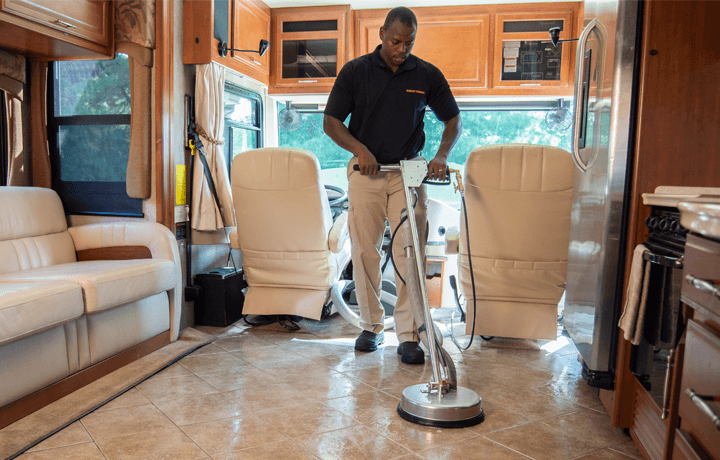
The more sanitary your RV is, the less chance it is that you may encounter mice. In the event that you have any leftover crumbs, food, or pet food lying around, mice will find it and eat it!
Maintaining a clean environment and storing your meals in airtight containers are two ways to keep mice out of your RV when traveling. The same may be said about pet food as well. In addition, before putting your RV into storage, make sure to remove all of the food from the vehicle. Leaving goodies in your RV for the next RV trip may seem like a good idea at the time… until it results in a rat invasion.
You might also like to consider dropping all scented items (with the exception of any peppermint-soaked cotton balls) before putting them away for storage. Soaps, cough drops, and other similar items fall into this category. Mice aren’t fussy eaters, so things that you wouldn’t normally consider food will nevertheless tempt them to come to investigate.
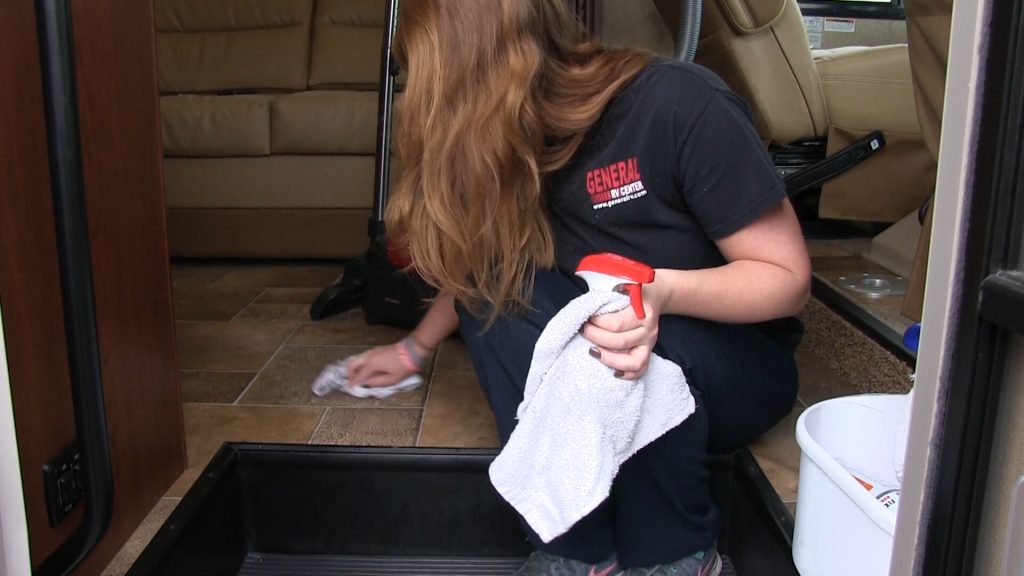
This may sound obvious, but it is extremely important! Maintain the cleanliness of your camper and your campsite to the greatest extent possible. The cleanliness of your campsite will go a long way toward keeping out mice and other critters whether it may be little critters or not who would enjoy a taste of your camp cuisine.
Perform a thorough cleaning of your camper before putting it away.
When you remove your camper from storage, give it a thorough cleaning.
Afterward, while you’re using it, even for a brief period of time, get into the habit of cleaning it daily—or multiple times each day—even if it’s just for a short journey. Although it doesn’t have to take much time, performing simple tasks such as keeping worktops, tables, and floors free of crumbs can make a significant difference.
After using the kitchen, wipe off the surfaces and wash the dishes as soon as possible. Developing these cleaning practices will not only reduce the risk of mice invading your home but will also help to keep your living area looking great!
In the event that you are automobile camping, mice may get inside your vehicle or outdoor kitchen space in search of food scraps. Try using hard-sided bins which are more difficult to gnaw through to prevent them from getting into your belongings and start chewing down food bags while you are away. If you keep food in your tent, you’ll almost certainly get a few chew marks through the bottom of the tent.
Spray Foam
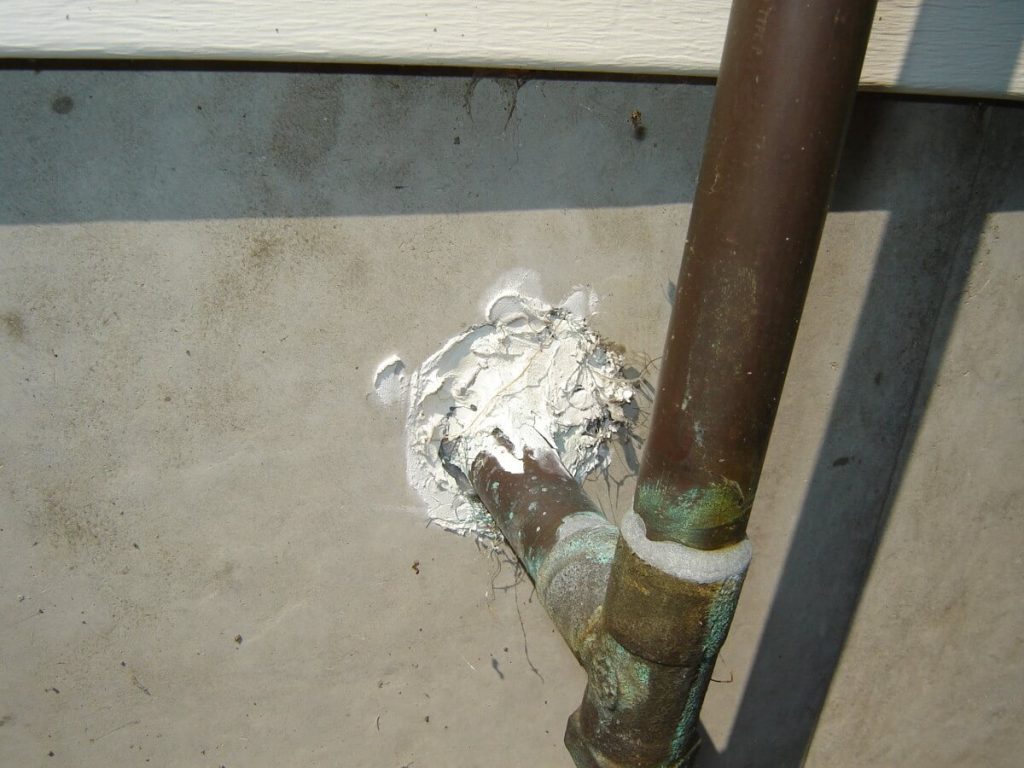
When it comes to swiftly close a hole, spray foam is an ideal choice, especially for bigger openings beneath the rig as well as in storage compartments wherein pipes or wires are routed through.
Spray foam may not be the most visually appealing material, thus it should only be used in places where it will be hidden. Don’t overfill the foam because it will take some time to spread and solidify completely.
Use Lights Under/Around RV at Night
While there are varying views about the effect of low voltage light, it should not be taken lightly. LED lights will prevent mice from entering the vehicle. If you have an emergency it provides ambiance for camping. It’s a good way to prevent the potential thefts in the case of an unoccupied RV.
Can it help in keeping mice out? There’s a split. This and other remedies listed here are also in doubt. Some people claim to repel mice, some people do not believe it. Try to be honest with yourself. They’re not hurting or looking good in the dark. Perhaps one solution could help? Rope lights placed in your camping vehicle or in storage can discourage mice from bringing items. Rope lighting with LEDs.
Wire Mesh Screen
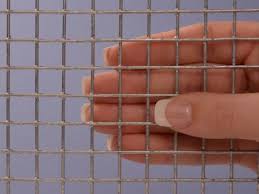
Wire mesh screening is effective in areas where airflow is required, but it will not allow creatures to enter your camper. Buy metal screening with a mesh that is so tight that even baby mice will not be able to squeeze through it.
Check the wire mesh behind the inside propane as well as other doors with vent holes to ensure that it is firmly in position behind the door. When it comes to holding the mesh in place without the use of screws, Eternabond or perhaps a similar sort of tape is a perfect choice.
Don’t forget to consider your roof vents, such as the one beneath your refrigerator section, for debris. Over time, the mesh in this vent may get deteriorated, as I discovered in my own, making it easier for mice and other vermin to gain access to your camper’s inside.
Peppermint Oil
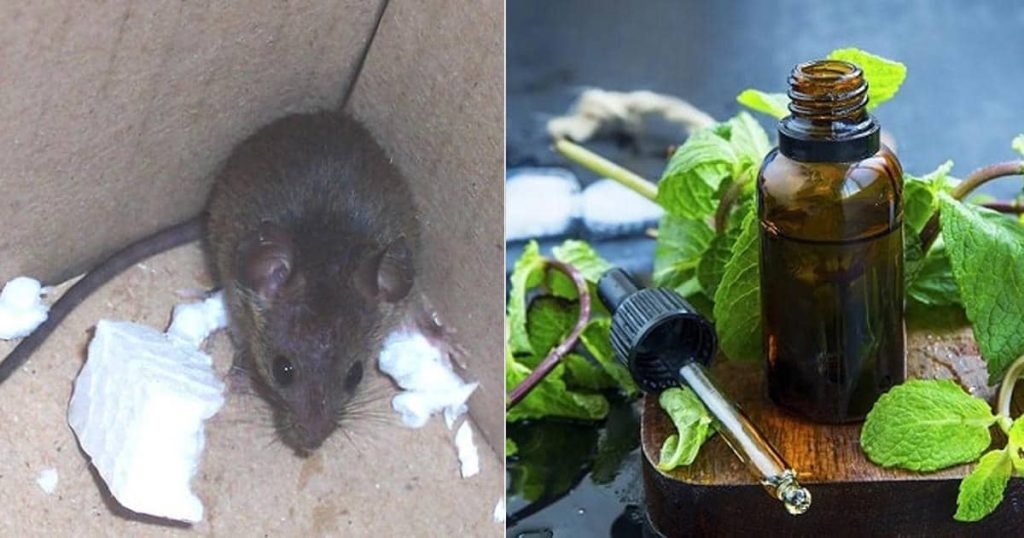
Rodent repellents such as peppermint oil have long been such a tried and tested solution. It must be a genuine essential oil, not only a scented spray, in order to be effective. It is also excellent in keeping out other pests. Keep in mind that, before you start a peppermint oil, please be aware that it may be unpleasant, dangerous, or perhaps even lethal to your pets depending on their breed. If you have pets, you should rethink your decision and conduct some preliminary research.
Peppermint is thought to be one of the most potent scents for keeping rodents away from a home or business. Peppermint leaves, peppermint spray, and peppermint oils are all options. A simple and inexpensive method of accomplishing this would be to soak cotton balls in peppermint oil or to produce a peppermint oil spray to be used at entrance points.

Use carefully positioned bars of Irish Spring soap instead of peppermint oil if you don’t like the peppermint aroma. This perfume is supposed to be effective at repelling mice and does not require replacement as frequently as other scents. If the soap begins to lose its scent, it is most likely due to a buildup of dust. Remove the dust off the surface, allow it to dry, and then replace it.
Using fabric scraps, apply a few drops of peppermint oil on them and place them in areas where you have noticed mouse activity. Warning! Instead of cotton balls, I propose using fabric scraps because they can become nesting material after the scent has faded and you have forgotten to retrieve them.
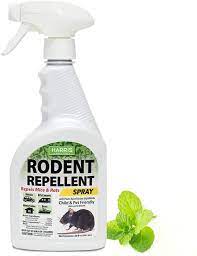
If you have difficult-to-reach locations, make a peppermint oil spray with 2 teaspoons of oil, 3 drops of dish detergent, and a cup of water and apply it there. Within a week or so, reapply the perfume when the aroma begins to fade.
Sprays are an excellent way to ensure complete coverage around your tires and undercarriage, as well as within storage compartments and cabinets. Of course, if you are sensitive to the fragrance of peppermint, you may prefer to use it a different way.
Mouse Traps

Mousetraps can be preemptively placed in your camper if you wish to keep the rodents out of your vehicle. In order to release the captured mice, live traps must be examined daily to ensure that they are still alive.
Make sure you release the mice in an area where they won’t be able to return to your camper right away.
Traps can be used to keep mice, rats, and other troublesome rodents out of your home without introducing toxins. Mousetraps come in a wide variety of designs and materials.
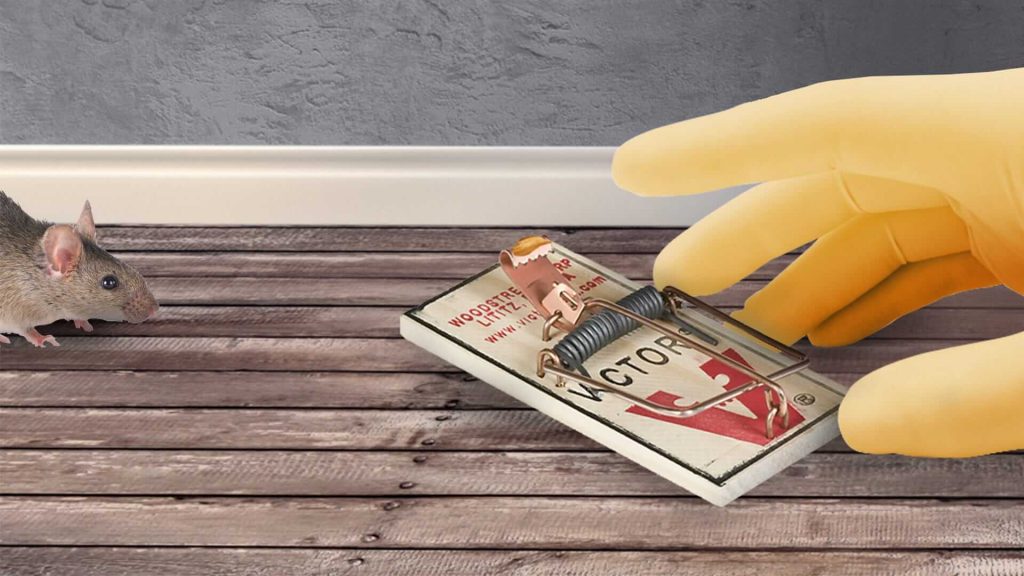
- By baiting the mouse and trapping it inside the box, box traps are able to catch and kill mice. It is possible to collect and release live box traps, but most people simply discard the traps when they are full of mice.
- Adhesive sheets that you place in areas where mice are prone to travel are called “glue traps.” When a mouse steps on the sticky sheets, its feet become trapped and it becomes immobile. Because they are small and inexpensive, glue traps can be used in places where larger traps can’t be, like under windows or along the kitchen counter.
- The old-fashioned spring traps that you recognize from morning cartoons perform exactly as advertised. While they may be viewed as barbarous by some, mouse traps can be a highly successful method of eradicating a mouse infestation in a short period of time when used in conjunction with targeted cleaning efforts.
FAQs
Q. What can I put in my camper to keep mice out?
A. Cotton balls stuffed with salty peppermint oil placed inside openings of campers have proved their effectiveness. They can also put Irish Spring soap, dryer towels or mothballs in possible entry areas. Mice hate the strong smell of a strong smell and they don’t want it, they’re scared.
Q. Do dryer sheets keep mice out of the camper?
A. It’s okay to let the mice away, but only temporarily to keep things safe. The mice come back once the dryer covers are dried up and smells are removed.
Q.Does Irish Spring keep mice out of campers?
A. Install some Irish Spring Soap in your trailer. Critters really do not like soap and won’t be disturbed. There may be room for pests in garages or basements.
Q. How do I keep mice out of my camper in the winter?
A. Lighting at night is a way of preventing mice from getting into your camper. Fabric Softener Sheets – Spray dryer sheets on RVs when they’re in storage for the mouse. Dublin Spring Soda – Same ideas as dry sheet, common myth says mice don’t like it.

